
The Enduring Appeal of the Chinese Family Restaurant
Key Takeaways
- Family restaurants serve as vital community hubs where multiple generations gather to share heritage and build lasting memories.
- The introduction of dishes like Japanese mapo tofu showcases how these establishments adapt to changing tastes while keeping comfort at their core.
- A welcoming atmosphere and approachable menu make these venues the preferred choice for celebrations and casual weekend gatherings alike.
Introduction
There is something uniquely comforting about walking into a Chinese family restaurant on a busy evening. The sounds of clinking porcelain, the hum of lively conversation, and the rich aromas wafting from the kitchen create an immediate sense of belonging. These establishments have long been the backbone of the dining scene, providing a space where families can reconnect over shared plates of steaming food. While high-end dining has its place, the heart of the community often beats strongest in these accessible, friendly spaces. They offer a reliable refuge where the quality of the food is matched only by the warmth of the hospitality.
A Space for Generational Connection
In many cultures, the dinner table is the primary site for passing down traditions. For many families in Singapore, the local eatery is where children learn about their heritage through the flavours of their ancestors. Grandparents explain the significance of certain ingredients, while parents share stories of their own childhood meals. This intergenerational exchange is what keeps the culture alive. The restaurant becomes a living archive of tastes and smells that link the past to the present. It is a place where milestones are marked, from birthdays to graduations, making the venue part of the family’s personal history.
These restaurants also understand the needs of a diverse group. The menus are often extensive, ensuring there is something for the fussy toddler and the health-conscious elder. Large round tables with lazy susans encourage the act of sharing, which is central to the dining philosophy. You don’t just eat your own meal; you participate in a communal feast. This physical act of passing dishes and serving one another fosters a spirit of generosity and togetherness that is often missing in more formal individualised dining settings. It is this social function that makes the Chinese family restaurant an irreplaceable part of the social fabric.
The Evolution of Comfort Food
While tradition is important, the most successful family spots are those that aren’t afraid to evolve. They recognise that modern diners have global palates and are often looking for interesting twists on familiar classics. You might see a rise in fusion-inspired items that blend regional styles to create something entirely new. A great example of this adaptation is the popularity of Japanese mapo tofu. This version is typically milder and smoother than its Sichuan cousin, often featuring a thicker sauce and a hint of sweetness. It provides all the comfort of the original but with a refined profile that appeals to those who prefer a less aggressive heat.
This willingness to incorporate influences from neighbouring cultures keeps the menu exciting without alienating long-term regulars. It shows a respect for the diners’ changing preferences and a desire to provide the best possible experience. Whether it is a new way of preparing seafood or a unique dessert that uses Japanese ingredients, these subtle changes breathe new life into the traditional format. It ensures that the restaurant remains relevant in a competitive market while still maintaining that essential “home-cooked” feel that defines the brand’s identity.
Creating a Home Away from Home
The “family” in a Chinese family restaurant doesn’t just refer to the diners; it often describes the staff and the owners as well. Many of these businesses are run by multiple generations of the same family, with recipes being handed down from parents to children. This creates a level of passion and pride that you rarely find in large corporate chains. When you visit, you are often greeted by familiar faces who remember your favourite table or how you like your tea. This personal touch transforms a simple meal into a genuine social interaction.
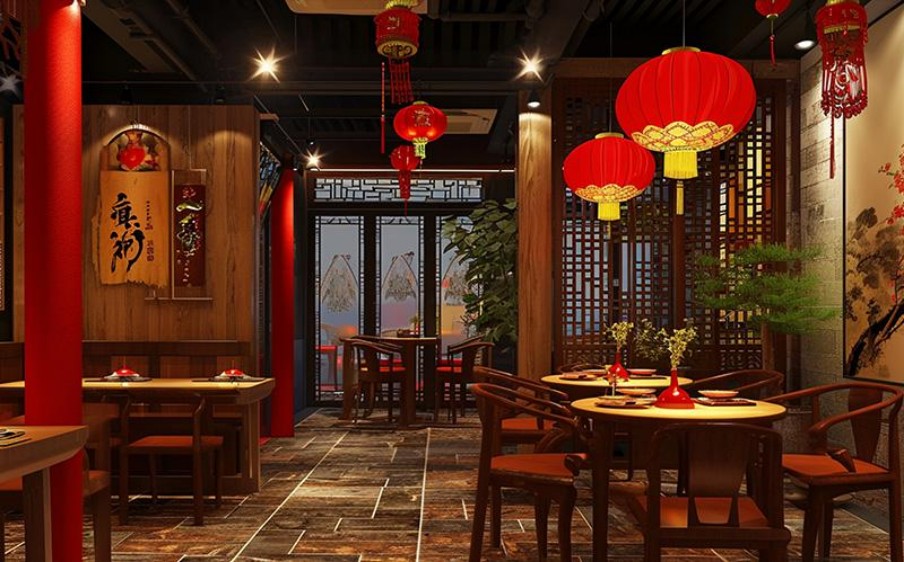
This sense of familiarity is especially important in a fast-paced city. Having a “regular spot” provides a sense of stability and comfort. You know exactly what to expect when you order your favourite dish, and that consistency is deeply reassuring. The decor might be simple, but the cleanliness and the efficiency of the service speak to a deep-seated respect for the customer. It is a place where you can relax, be yourself, and enjoy the company of your loved ones without the pressures of “fine dining” etiquette. In many ways, these restaurants are an extension of the family living room.
Meeting the Demands of Modern Diners
As lifestyles become more frantic, the convenience of a reliable local restaurant cannot be overstated. People are looking for quality food that doesn’t require a three-month waiting list or a restrictive dress code. They want a place that is equally suitable for a quick Tuesday night dinner or a large Sunday lunch with the extended clan. Modern family restaurants have adapted by offering better online booking systems and efficient takeaway options, ensuring they fit seamlessly into the lives of their customers. They provide high-value meals that use fresh ingredients, proving that “family-style” doesn’t mean compromising on standards.
Furthermore, there is a growing appreciation for the “craft” behind these casual meals. Diners are becoming more aware of the skill required to produce a perfect stir-fry with “wok hei” or a delicate dim sum. They recognise that the chefs in these kitchens are often masters of their trade, having spent decades perfecting their techniques. This renewed respect for traditional skills ensures that the Chinese family restaurant continues to thrive. It remains a place where quality, value, and community intersect, providing a dining experience that is as satisfying for the soul as it is for the stomach.
Conclusion
The enduring popularity of family-centric dining proves that we still value human connection and traditional comfort. These restaurants provide more than just sustenance; they offer a sense of continuity and community in an ever-changing world. Whether you are enjoying a classic staple or trying a modern twist like Japanese mapo tofu, the experience is always about the people you share it with. These venues will always have a place in our hearts because they celebrate the most important things in life: good food and family. Contact Chen’s to experience this warmth for yourself.