

How Food Processing Machinery Helps Turn Raw Crops into Marketable Products
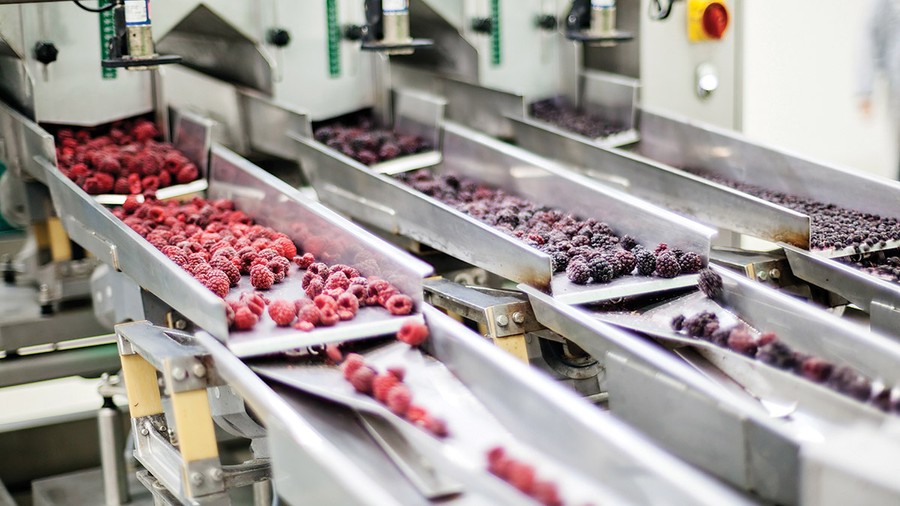
Agriculture does not end at harvest. After crops are collected from farms, they usually need cleaning, sorting, cutting, heating, extracting, drying, packaging, or preserving before they can reach consumers or industrial buyers. This is where food processing machinery plays an important role. It helps turn raw crops into stable, safe, attractive, and marketable products with higher commercial value.
For farmers, cooperatives, food factories, and investors, processing machinery can create more business opportunities. Instead of selling raw crops at lower prices, businesses can produce oils, juices, sauces, powders, canned foods, dried products, frozen foods, or packaged ingredients for retail and industrial markets.
From Raw Materials to Value-Added Products
Raw crops often have limited shelf life. Fresh tomatoes, fruits, palm fruits, grains, vegetables, and roots may spoil quickly if they are not processed in time. Processing machinery helps extend shelf life by removing moisture, controlling temperature, reducing microbial risks, and preparing products for storage or transportation.
For example, tomatoes can be turned into paste, ketchup, puree, juice, sauce, or canned products. Palm fruits can be processed into crude palm oil and palm kernel oil. Fruits can become juice, jam, dried slices, or concentrate. Grains can be milled into flour or processed into ready-to-cook products.
This value-added transformation allows businesses to enter larger markets and reduce losses caused by seasonal oversupply or product spoilage.
Cleaning and Sorting Improve Product Quality
The first step in most food processing lines is cleaning and sorting. Raw crops often contain soil, leaves, stones, damaged pieces, insects, or other impurities. If these are not removed early, they can affect product safety, taste, appearance, and machine performance.
Cleaning machines may include washing tanks, spray washers, bubble washers, brush cleaners, air cleaners, and vibrating screens. Sorting equipment can separate raw materials by size, color, weight, ripeness, or quality grade.
Better cleaning and sorting help factories produce more consistent final products. They also reduce damage to downstream machines and improve customer confidence.
Cutting, Crushing, and Grinding Prepare Crops for Processing
Many crops need to be reduced in size before extraction, cooking, drying, or packaging. Cutting, crushing, grinding, peeling, and pulping machines make raw materials easier to process.
For example, fruit pulping machines separate pulp from seeds and skin. Vegetable cutters prepare raw materials for freezing or cooking. Grain mills turn cereals into flour. Crushers break larger materials into smaller particles for oil extraction or drying.
In oil processing, size reduction can improve extraction efficiency. In sauce and paste production, proper crushing helps create smoother texture and more uniform heating.
Heating and Sterilization Support Food Safety
Food processing is not only about changing shape. It is also about safety. Many products require heating, blanching, pasteurization, sterilization, or cooking to reduce microbial risks and improve shelf life.
A tomato processing machine may include washing, crushing, preheating, pulping, concentration, sterilization, and filling systems. These steps help turn fresh tomatoes into stable products such as tomato paste or tomato sauce.
Heating equipment must control temperature carefully. Too little heat may create food safety risks, while too much heat may damage color, flavor, nutrition, or texture. Modern machinery helps maintain better process control and stable product quality.
Extraction Machinery Increases Product Utilization
Some crops are processed mainly for their oil, juice, starch, or active ingredients. Extraction machinery helps separate valuable components from raw materials efficiently.
For example, palm oil machinery is used to process fresh fruit bunches through sterilizing, threshing, digesting, pressing, clarification, and oil storage. With proper equipment, producers can improve oil recovery, reduce waste, and maintain more stable crude palm oil quality.
Juice extractors, oil presses, screw presses, centrifuges, and filtration systems are also widely used in food processing plants. Better extraction technology helps businesses get more value from the same amount of raw material.
Drying and Concentration Reduce Storage and Transport Costs
Fresh crops usually contain large amounts of water. This makes them heavy, bulky, and easy to spoil. Drying and concentration equipment help remove part of the water content, making products easier to store, package, and transport.
Drying machines are used for fruits, vegetables, grains, herbs, spices, and powders. Concentration systems are used for tomato paste, fruit juice concentrate, milk products, and sauces.
By reducing moisture, businesses can lower transportation costs and improve shelf life. This is especially important for export markets and long-distance distribution.
Packaging Makes Products Ready for Market
A product is not truly marketable until it is properly packed. Packaging protects food from contamination, moisture, oxygen, light, and physical damage. It also gives the product a professional appearance for retail shelves or wholesale buyers.
Food packaging machinery may include filling machines, sealing machines, capping machines, labeling machines, vacuum packaging machines, and carton packing systems. Different products require different packaging methods, such as bottles, jars, cans, pouches, drums, cartons, or bulk containers.
Good packaging helps build brand image and makes the product easier to sell.
Machinery Improves Efficiency and Consistency
Manual processing can work for very small operations, but it is difficult to maintain high output and consistent quality. Food processing machinery helps reduce labor intensity, increase production speed, control quality, and improve hygiene.
For growing businesses, machinery also makes production easier to scale. A factory can start with a small production line and later upgrade capacity based on market demand.
Conclusion
Food processing machinery helps transform raw crops into valuable market-ready products. It supports cleaning, sorting, cutting, heating, extraction, drying, concentration, packaging, and quality control.
For agricultural businesses, investing in suitable processing equipment can reduce waste, extend shelf life, improve product quality, and create higher profits. Whether processing tomatoes, palm fruits, grains, vegetables, or fruits, the right machinery helps connect farm production with real market demand.