
Beetroot Red and Gardenia Blue in Modern Food Applications
Food companies now explore plant-based ingredients much more seriously than earlier production trends across industries. Beetroot Red remains popular because it creates rich pink and reddish shades naturally inside many products. At the same time, gardenia blue attracts attention for its light blue tones without the use of artificial dyes. Beverage manufacturers, confectionery companies, and milk brands often test those ingredients thoroughly during the duration of the violation to check for spots. The need for cleaner specifications is influencing food manufacturing choices in markets and retail environments worldwide today.
Beverage Products Need Colors That Stay Stable During Storage
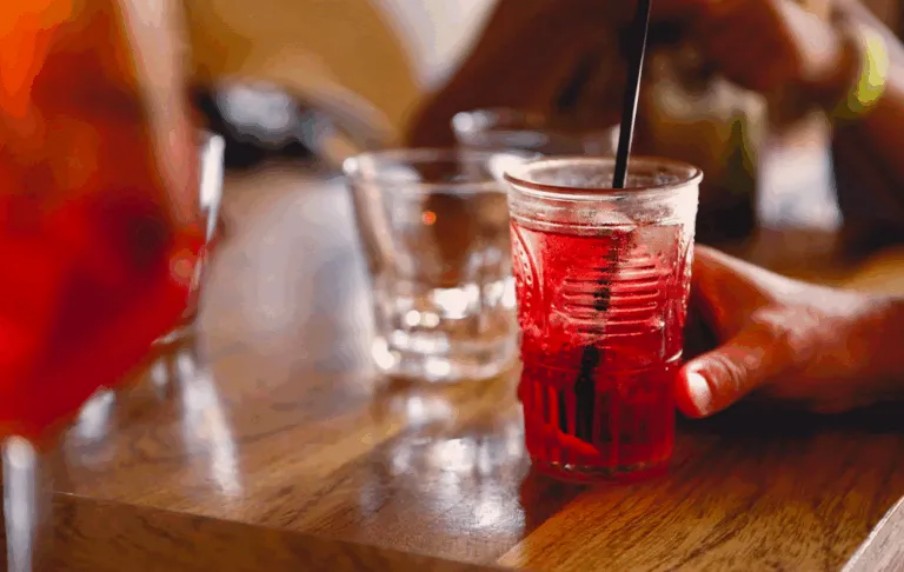
Humidity creates particularly demanding conditions due to the fact that acidity, temperature, and light conditions differently affect the later pigment performance. Beet red works well in indoor smoothies, flavored drinks, and fruit-based beverages with balanced pH. Some formulas typically lose their luster at some stage during their long shelf-life period under strong shop lighting systems. Gardenia blue also requires effort, because the blue sunshade changes depending on the wing interaction around after each often. Manufacturers conduct repeated stability evaluations before commercial beverage production begins completely.
Dessert Brands Prefer Softer Shades Instead of Artificial-Looking Colors
Consumer preferences changed noticeably because extremely bright products no longer appeal to every customer group equally anymore. Frozen cakes, yogurt items, and bakery fillings now commonly use clearly produced pigments for visual presentation. Beetroot red creates a softer tone that looks extra familiar and much less synthetic in-house confectionery products today. Some agencies carefully combine colors because balanced sundresses significantly improve the overall appearance of the product. Component selection often depends on operating temperature, garage conditions, and long-term visual compatibility expectations.
Blue Pigments Continue Expanding Across Specialty Food Products
The blue dyes once depended entirely on synthetic materials before newer plant-based alternatives gained widespread industrial interest globally. Gardenia blue now seems like indoor desserts, beverages, jellies, and decorative dessert packages in specialty food markets. Manufacturers value unusual shades of blue because they help products stand out from crowded store shelves. Manufacturing teams still routinely highlight component compatibility carefully in all commercial manufacturing operations. Short grade changes now and again strongly affect customer retention besides what is expected for some time.
Processing Temperatures Can Influence Shade Performance Significantly
Temperature changes herb color differently depending on moisture level and ingredient composition at a later stage of production. Commercially, beets, under asymmetric processing temperatures in certain food applications, may even lose their blood depth. Frozen pastries and chilled beverages generally create stronger conditions for achieving a more powerful vision at some point in the distribution cycle. Gardenia blue also reacts otherwise at some stage in baking or high-temperature dessert-making strategies from time to time. Companies test again the overall performance of the component because visual consistency strongly influences repeat purchases by customers anywhere.
Packaging Choices Affect Long-Term Product Appearance Over Time
Transparent packaging adds stress when natural colors appear fully visible under daily commercial lighting conditions. Manufacturers carefully evaluate packaging before finalizing products for supermarkets and convenience store distribution systems. Beetroot reds stored away from direct sunlight generally maintain a more solid appearance throughout their shelf life. Meanwhile, Gardenia Blue applications may additionally require additional component modifications based on product grade and garage environmental conditions. Packaging decisions often influence ingredient performance almost as much as formulation choices themselves.
Conclusion
Natural food pigments continue gaining importance because ingredient transparency matters more across modern food industries now. foodrgb.com provides useful information related to plant-based coloring ingredients and practical manufacturing applications for businesses today. Beetroot red remains widely used because it creates recognizable red tones suitable for many commercial food products naturally. At the same time, gardenia blue offers newer possibilities for brands searching for visually distinctive blue shades without relying heavily on synthetic alternatives. Businesses developing future food products should carefully evaluate ingredient stability, processing compatibility, and storage performance before expanding commercial manufacturing operations.