

5 Operational Challenges in Halal Bento Catering
Key Takeaways
- Halal bento catering involves stricter operational controls than standard catering due to certification, segregation, and audit requirements.
- Cross-contamination risk is one of the most critical operational challenges and must be managed at every stage of production.
- Menu standardisation is essential to maintain consistency and scalability in halal bento catering in Singapore.
- Delivery timing and temperature control significantly affect food safety and client satisfaction for bento-style meals.
- Experienced caterers mitigate these challenges through structured workflows, trained staff, and centralised kitchen systems.
Introduction
Halal bento catering has become a widely adopted format within catering in the city-state, particularly for corporate events, schools, government functions, and training programmes where portion control, efficiency, and dietary inclusivity are required. While bento-style meals offer logistical advantages, halal compliance introduces additional operational complexity. Caterers operating in this space must manage certification requirements, food safety risks, scalability pressures, and delivery precision simultaneously.
Discover five key operational challenges in halal bento catering in Singapore and learn how professional caterers manage them in practice.
1. Preventing Cross-Contamination in Shared Production Environments
One of the most significant operational challenges in halal bento catering is preventing cross-contamination, especially in kitchens that handle both halal and non-halal items. Even minor lapses in segregation can invalidate halal status. Caterers manage this risk through strict zoning of preparation areas, dedicated equipment, colour-coded utensils, and controlled staff movement within the kitchen. Many professional operators rely on central kitchens designed specifically for halal production, reducing dependency on mixed-use facilities and simplifying compliance during audits.
2. Maintaining Halal Certification Across High-Volume Production
Scaling production while maintaining halal certification requires careful operational planning. Certification standards typically extend beyond ingredients to include sourcing documentation, storage practices, cleaning protocols, and staff training. Caterers offering halal bento catering manage this by limiting menu complexity, working with pre-approved suppliers, and maintaining detailed records for inspections. Standard operating procedures are documented and regularly reviewed to ensure that volume increases do not compromise compliance or traceability.
3. Balancing Menu Variety with Operational Consistency
Clients often expect variety, but excessive menu customisation increases operational risk. Remember, in bento catering, where meals are pre-packed and produced in large batches, inconsistency can lead to errors in portioning, labelling, or allergen control. Caterers address this challenge by offering modular menus built around fixed core components, allowing controlled variation without disrupting workflow. This approach supports both operational efficiency and predictable food quality within catering in Singapore.
4. Managing Temperature Control and Food Safety During Delivery
Unlike buffet service, bento meals must remain safe and presentable from packing to consumption. Temperature control is especially critical in Singapore’s climate. Caterers mitigate this risk through blast chilling, insulated transport containers, controlled loading sequences, and precise delivery scheduling. Internal holding times are tightly managed, and delivery routes are planned to minimise delays. These controls help ensure that halal bento catering meets food safety standards without compromising texture or taste.
5. Coordinating Large-Scale Assembly and Packing Accuracy
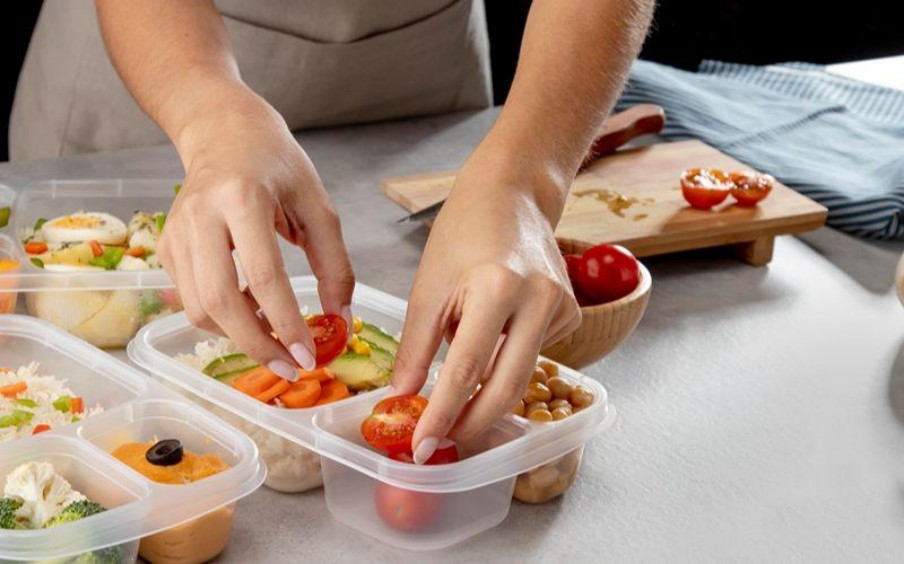
Bento catering requires high accuracy during assembly, particularly for large orders with hundreds or thousands of identical meals. Errors in packing, labelling, or component placement can quickly escalate into service failures. Caterers manage this challenge by using assembly-line workflows, visual check systems, and final-stage quality control teams. Staff are trained to focus on consistency rather than speed alone, reducing last-minute corrections and wastage.
Conclusion
Halal bento catering presents a distinct set of operational challenges that go beyond standard catering formats. From cross-contamination control to delivery precision, each stage requires disciplined processes and experienced management. Successful halal bento operators within catering in Singapore rely on structured systems, trained teams, and centralised production models to maintain compliance while delivering reliable outcomes at scale. Knowing these operational realities helps clients set realistic expectations and supports better catering decisions for large or sensitive events.
Contact Elsie’s Kitchen to engage a provider of halal bento catering that plans for compliance, volume control, and delivery accuracy from the kitchen floor to the final handover.